
Khadia Bible-Old Testament
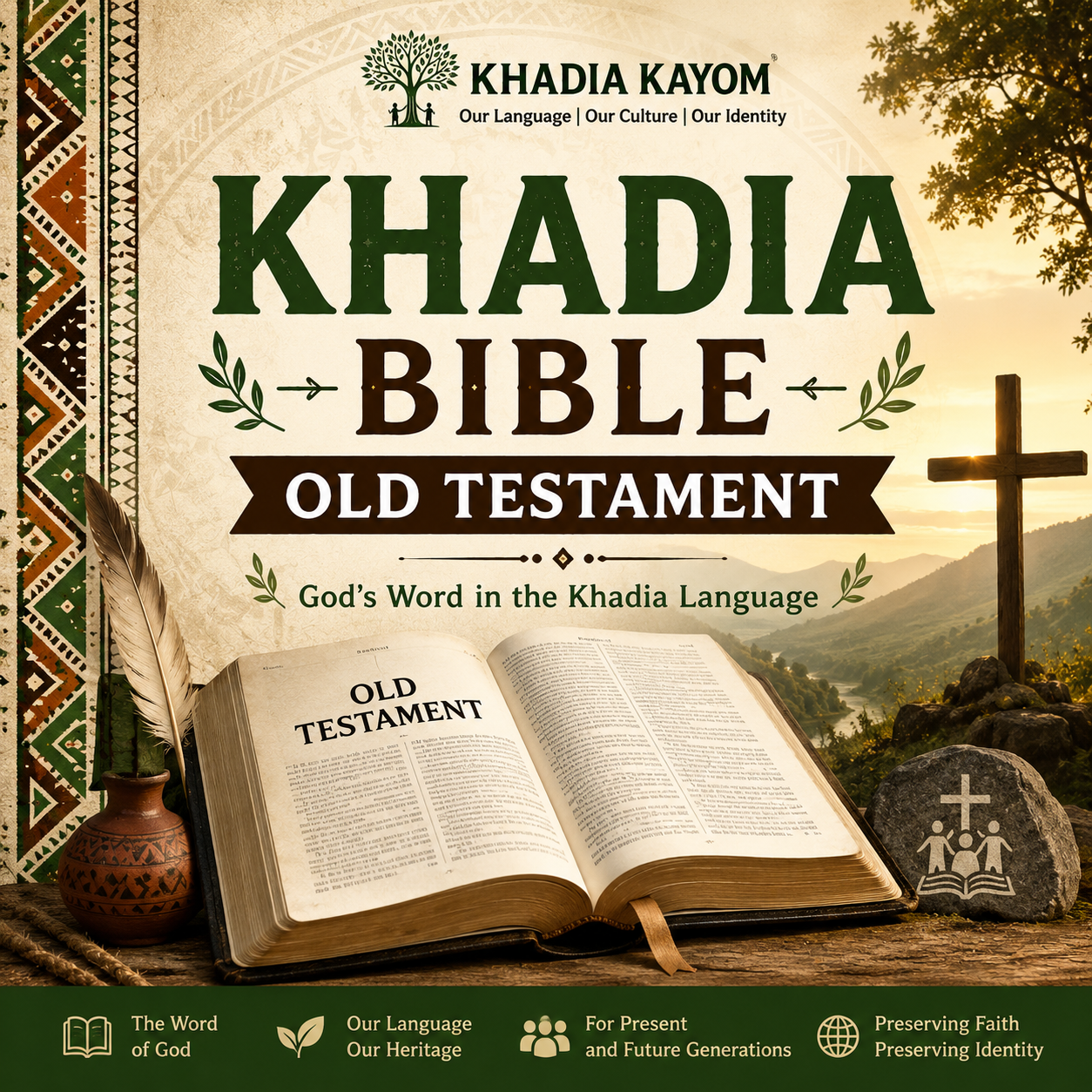
Khadia Bible-Old Testament
खड़िया बाइबल – पुराना नियम (Old Testament)
बाइबल – पुराना नियम ते पावितर बाइबल या पहला भाग हेके। ऊते 39 अध्याय आईज़ । ऊ बहि ते ईश्वर अब्बा सिरजन या कामू , आदम आर हव्वा किअर या जन्म ओड़ इतिहास, नूह समय या जलप्रलय, अब्राहाम, इसहाक, याकूब, मूसा, दाऊद ओड़ सुलैमान या लेखुड़ विश्वासी किया जियोम कायोम , इस्राएल लेबू किया इतिहास, परमेश्वर या नियम, भजन, नीति बचन ओड़ अगमबक्ता या संदेश लिखाल आईज़ पुराना नियम परमेश्वरते प्रेम, न्याय, दया, वाचा ओड़ मानवा लेबू किते उद्धार योजना ते साफ-साफ ओब्योते । ऊतेगा प्रभु येसु मशीह या डेना कीया भविष्यवाणी की आईज़ ।
खड़िया बाइबल – पुराना नियम या मुख्य उद्देश्य ऊजेगा गा न अनीङ्ग खड़िया लेबू कि परमेश्वर या बचन अनिङ्ग या मातृभाषा बुङ्ग उपलब्ध करायना, बाइबल पढ़ाई ते आसान बनायना, र विश्वास, आत्मिक जीयोम ओड़ अनिङ्ग या संस्कृति तथा पहचान ते मजबूत करायना थोङ्ग । ऊकड़ अनिङ्ग सब विश्वासी लेबू किया थोङ्ग मोंज बहुमूल्य आत्मिक साधन हेके।
Khadia Bible–Old Testament -खड़िया बाइबल – पुराना नियम | परमेश्वर की सृष्टि, इतिहास और वाचा का दिव्य संदेश
परिचय
खड़िया बाइबल – पुराना नियम (Khadia Bible – Old Testament) खड़िया भाषा बोलने वाले विश्वासियों, विद्यार्थियों, शोधकर्ताओं तथा बाइबल अध्ययन करने वाले सभी लोगों के लिए एक अत्यंत महत्वपूर्ण आध्यात्मिक और शैक्षिक संसाधन है। पुराना नियम (Old Testament) केवल प्राचीन इतिहास का संग्रह नहीं है, बल्कि यह परमेश्वर की सृष्टि, उसके प्रेम, न्याय, पवित्रता, दया, वाचा (Covenant) तथा मानवजाति के उद्धार की योजना का प्रारम्भिक आधार प्रस्तुत करता है।
Khadia Kayom का उद्देश्य केवल खड़िया भाषा में धार्मिक सामग्री उपलब्ध कराना नहीं है, बल्कि खड़िया भाषा, संस्कृति और ईसाई विश्वास से संबंधित ज्ञान को डिजिटल रूप में सुरक्षित रखना भी है। इसी उद्देश्य से Khadia Bible – Old Testament अनुभाग तैयार किया गया है, ताकि खड़िया समाज अपनी मातृभाषा में परमेश्वर के वचन का अध्ययन कर सके तथा आने वाली पीढ़ियाँ भी इस अमूल्य आध्यात्मिक धरोहर से जुड़ी रहें।
पुराना नियम क्या है?
पुराना नियम (Old Testament) पवित्र बाइबल का पहला और आधारभूत भाग है। इसमें संसार की सृष्टि से लेकर इस्राएल के इतिहास, परमेश्वर की वाचा, भविष्यद्वक्ताओं की सेवकाई, व्यवस्था, ज्ञान साहित्य तथा मसीहा के आगमन की भविष्यवाणियों का वर्णन मिलता है।
ईसाई विश्वास के अनुसार पुराना नियम नए नियम (New Testament) की नींव है। इसमें दिए गए अनेक वचन और भविष्यवाणियाँ आगे चलकर प्रभु यीशु मसीह के जीवन और सेवकाई में पूर्ण होती हैं। इसलिए पुराने नियम को समझे बिना बाइबल के सम्पूर्ण संदेश को पूरी तरह समझना कठिन है।
पुराने नियम की संरचना
पुराने नियम में कुल 39 पुस्तकें हैं। इन्हें सामान्यतः पाँच प्रमुख भागों में विभाजित किया जाता है—
1. व्यवस्था की पुस्तकें (Books of Moses)
इन पाँच पुस्तकों में संसार की सृष्टि, आदम और हव्वा, नूह, अब्राहम, इसहाक, याकूब, यूसुफ, मूसा तथा इस्राएलियों की प्रारम्भिक यात्रा का विवरण मिलता है।
2. ऐतिहासिक पुस्तकें
इन पुस्तकों में इस्राएल राष्ट्र की स्थापना, न्यायियों का समय, राजाओं का शासन, मंदिर का निर्माण, निर्वासन तथा वापसी का इतिहास वर्णित है।
3. ज्ञान और काव्य साहित्य
इस भाग में जीवन के ज्ञान, प्रार्थना, स्तुति, नैतिक शिक्षा तथा मानवीय अनुभवों का सुंदर वर्णन मिलता है। यह भाग विश्वासियों को दैनिक जीवन के लिए मार्गदर्शन प्रदान करता है।
4. प्रमुख भविष्यद्वक्ता
इन पुस्तकों में परमेश्वर के संदेश, पश्चाताप का आह्वान, न्याय तथा भविष्य की आशा का वर्णन मिलता है।
5. लघु भविष्यद्वक्ता
इन पुस्तकों में भी परमेश्वर की चेतावनी, प्रेम, दया, न्याय और भविष्य में आने वाले उद्धार की आशा का संदेश दिया गया है।
खड़िया भाषा में पुराने नियम का महत्व
मातृभाषा में परमेश्वर के वचन को पढ़ना प्रत्येक विश्वासी के लिए अत्यंत महत्वपूर्ण अनुभव होता है। जब कोई व्यक्ति अपनी भाषा में बाइबल पढ़ता है, तब वह उसके संदेश को अधिक स्पष्टता और गहराई से समझ सकता है।
खड़िया भाषा में उपलब्ध पुराना नियम—
- बच्चों को प्रारम्भिक बाइबल शिक्षा प्रदान करता है।
- युवाओं को विश्वास में मजबूत बनाता है।
- परिवारों में सामूहिक बाइबल अध्ययन को प्रोत्साहित करता है।
- चर्च, संडे स्कूल तथा बाइबल अध्ययन समूहों के लिए उपयोगी है।
- मातृभाषा के संरक्षण में महत्वपूर्ण योगदान देता है।
- धार्मिक शब्दावली को मानकीकृत करने में सहायता करता है।
इस प्रकार यह केवल धार्मिक पुस्तक नहीं, बल्कि भाषा और संस्कृति के संरक्षण का भी एक प्रभावी माध्यम है।
विश्वास और जीवन के लिए मार्गदर्शन
पुराना नियम हमें अनेक महत्वपूर्ण आध्यात्मिक शिक्षाएँ देता है—
- परमेश्वर सृष्टिकर्ता हैं।
- परमेश्वर प्रेमी और न्यायी हैं।
- आज्ञाकारिता आशीष का मार्ग है।
- विश्वास कठिन परिस्थितियों में भी आशा देता है।
- प्रार्थना और आराधना जीवन का महत्वपूर्ण भाग हैं।
- सत्य, न्याय और दया परमेश्वर को प्रिय हैं।
- परमेश्वर अपनी प्रतिज्ञाओं के प्रति सदैव विश्वासयोग्य रहते हैं।
ये शिक्षाएँ केवल प्राचीन समय के लिए नहीं थीं, बल्कि आज भी प्रत्येक विश्वासी के जीवन में उतनी ही प्रासंगिक हैं।
खड़िया समाज और बाइबल
खड़िया समाज में ईसाई विश्वास का महत्वपूर्ण स्थान है। चर्च आराधना, प्रार्थना सभा, संडे स्कूल, युवा संगति तथा पारिवारिक आराधना में बाइबल का नियमित अध्ययन किया जाता है।
जब बाइबल खड़िया भाषा में उपलब्ध होती है, तब—
- बच्चे अपनी मातृभाषा में परमेश्वर के वचन को समझते हैं।
- बुज़ुर्ग आसानी से अध्ययन कर सकते हैं।
- प्रचारक और शिक्षक सरलता से शिक्षा दे सकते हैं।
- नई पीढ़ी भाषा और विश्वास दोनों से जुड़ी रहती है।
इसी कारण मातृभाषा में बाइबल का उपलब्ध होना अत्यंत महत्वपूर्ण है।
Khadia Kayom और Khadia Bible
Khadia Kayom का उद्देश्य केवल बाइबल के नामों की सूची देना नहीं है। यह मंच भविष्य में खड़िया बाइबल अध्ययन के लिए एक व्यापक डिजिटल संसाधन बनने की दिशा में कार्य कर सकता है।
इस अनुभाग में क्रमिक रूप से निम्न सामग्री उपलब्ध कराई जा सकती है—
- पुराने नियम की सभी पुस्तकों का परिचय।
- प्रत्येक पुस्तक का संक्षिप्त सारांश।
- प्रमुख पात्रों का परिचय।
- बाइबल स्थानों का विवरण।
- धार्मिक शब्दावली।
- कठिन शब्दों की व्याख्या।
- विषयवार अध्ययन।
- बच्चों के लिए सरल बाइबल परिचय।
- चित्र आधारित अध्ययन सामग्री।
- ऑडियो उच्चारण।
- बाइबल प्रश्नोत्तरी (Quiz)।
- समयरेखा (Bible Timeline)।
- अध्ययन मार्गदर्शिका।
इस प्रकार Khadia Kayom केवल एक वेबसाइट नहीं, बल्कि खड़िया भाषा में बाइबल अध्ययन का एक समग्र डिजिटल मंच बन सकता है।
डिजिटल युग और मातृभाषा में बाइबल अध्ययन
आज मोबाइल और इंटरनेट के माध्यम से लोग कहीं भी और कभी भी अध्ययन कर सकते हैं। यदि खड़िया भाषा में बाइबल संबंधी सामग्री डिजिटल रूप में व्यवस्थित उपलब्ध हो, तो यह विश्वभर में रहने वाले खड़िया समुदाय के लिए अत्यंत उपयोगी सिद्ध होगी।
भविष्य में इस अनुभाग में निम्न आधुनिक सुविधाएँ जोड़ी जा सकती हैं—
- पुस्तकवार खोज (Book Search)
- अध्यायवार अध्ययन
- विषयवार खोज
- ऑडियो बाइबल
- शब्दार्थ (Bible Dictionary)
- धार्मिक मानचित्र
- AI आधारित बाइबल खोज
- दैनिक बाइबल अध्ययन योजना
- पसंदीदा पदों का संग्रह
- नोट्स और अध्ययन संदर्भ
इन सुविधाओं से अध्ययन अधिक व्यवस्थित और रोचक बनेगा।
भाषा संरक्षण में योगदान
खड़िया भाषा में बाइबल उपलब्ध होने से केवल धार्मिक अध्ययन ही नहीं बढ़ता, बल्कि भाषा भी समृद्ध होती है। बाइबल में प्रयुक्त शब्द, वाक्य संरचना और अभिव्यक्तियाँ भाषा के विकास में महत्वपूर्ण भूमिका निभाती हैं।
इसी कारण Khadia Bible – Old Testament धार्मिक साहित्य के साथ-साथ भाषाई संरक्षण का भी एक महत्वपूर्ण स्रोत है। यह नई पीढ़ी को अपनी मातृभाषा पढ़ने, समझने और प्रयोग करने के लिए प्रेरित करता है।
निष्कर्ष
खड़िया बाइबल – पुराना नियम (Khadia Bible – Old Testament) परमेश्वर की सृष्टि, इतिहास, वाचा, भविष्यवाणी, ज्ञान और उद्धार की योजना का आधार प्रस्तुत करता है। यह केवल प्राचीन घटनाओं का संग्रह नहीं, बल्कि विश्वास, आशा, प्रेम, न्याय और परमेश्वर की विश्वासयोग्यता का जीवंत संदेश है।
Khadia Kayom का यह प्रयास खड़िया भाषा में पुराने नियम का परिचय उपलब्ध कराकर भाषा, संस्कृति और ईसाई विश्वास—तीनों को एक साथ संरक्षित करने की दिशा में एक महत्वपूर्ण कदम है। यह अनुभाग विद्यार्थियों, परिवारों, चर्चों, शिक्षकों, शोधकर्ताओं और खड़िया भाषा सीखने वाले सभी लोगों के लिए उपयोगी सिद्ध होगा।
जब परमेश्वर का वचन अपनी मातृभाषा में पढ़ा और समझा जाता है, तब वह केवल ज्ञान नहीं देता, बल्कि विश्वास को गहरा करता है, चरित्र को मजबूत बनाता है और आने वाली पीढ़ियों को अपनी भाषा, संस्कृति तथा आध्यात्मिक विरासत से जोड़ता है। यही Khadia Kayom का उद्देश्य है—खड़िया भाषा को सुरक्षित रखना, परमेश्वर के वचन को सुलभ बनाना और ज्ञान, विश्वास तथा संस्कृति को डिजिटल युग में आने वाली पीढ़ियों तक पहुँचाना।
Frequently Asked Questions (FAQs) – Khadia Bible-Old Testament (Click For Read)
1. What is the Khadia Bible – Old Testament?
The Khadia Bible – Old Testament is the Old Testament of the Holy Bible translated into the Khadia (Kharia) language. It enables Khadia-speaking Christians to read, study, and understand God’s Word in their mother tongue.
3. What is the main purpose of the Old Testament?
The Old Testament reveals God’s creation, His relationship with humanity, His covenant with Israel, His laws, His justice and mercy, and His plan of salvation that points toward the coming of Jesus Christ.
5. Why should I read the Old Testament in the Khadia language?
Reading the Bible in your mother tongue makes it easier to understand God’s message. It also helps preserve the Khadia language while strengthening personal faith and spiritual growth.
7. How can Khadia Kayom help in Bible study?
Khadia Kayom provides educational resources related to the Khadia Bible, including book introductions, religious vocabulary, Bible-related articles, and language-learning materials that support Bible study in the Khadia language.
9. Why is preserving the Khadia Bible important?
The Khadia Bible helps preserve both the Christian faith and the Khadia language. It enables future generations to worship, pray, and study God’s Word in their own language while protecting their linguistic and cultural heritage.
2. How many books are there in the Old Testament?
he Old Testament contains 39 books, beginning with Genesis and ending with Malachi. These books include the history of creation, God’s covenant with His people, laws, poetry, wisdom literature, and the messages of the prophets.
4. Why is the Old Testament important for Christians?
The Old Testament provides the foundation for understanding the New Testament. It explains God’s promises, prophecies, and His plan of redemption, many of which are fulfilled in Jesus Christ.
6. Does the Khadia Bible follow the same books as other Christian Bibles?
Yes. The Khadia Bible follows the same biblical books found in the standard Christian Old Testament. Only the language has been translated into Khadia to make it easier for native speakers to read and understand.
8. What is the relationship between the Old Testament and the New Testament?
The Old Testament prepares the way for the coming of Jesus Christ through God’s promises and prophecies, while the New Testament records the life, ministry, death, resurrection, and teachings of Jesus Christ and the growth of the early Church.
The Khadia Bible is far more than a translated book—it is a bridge between the divine and the everyday, between ancient Scripture and living culture. It affirms that the Khadia people are seen, valued, and deeply loved. In a world that often pushes smaller languages to the margins, this translation stands as a bold declaration: every language is worthy of carrying the eternal message of hope. For the Khadia community, it is not merely a text to be read—it is a voice to be cherished, a heritage to be passed down, and a faith now truly at home.
The Khadia Bible: A Testament of Faith and Language
There is something profoundly moving about hearing Scripture in the language of your heart. For the Khadia people, a community primarily residing in India, the translation of the Bible from Hindi represents more than just a linguistic exercise—it is a spiritual homecoming. It is the story of faith finding its voice.
Who Are the Khadia People?
The Khadia are an indigenous community with a rich cultural heritage. Their language, also known as Kharia, is part of the Austroasiatic language family and serves as their primary means of communication, preserving their traditions and identity across generations.
While many Khadia people are multilingual, with literacy often extending to Hindi and Oriya , the deep emotional and spiritual resonance of their mother tongue remains unmatched. It is the language of family, tradition, and the heart.
The Power of the Mother Tongue
This is where the story of the “Khadia Bible” becomes so significant. Translating the Bible from Hindi into Khadia is an act of incredible love and dedication. It bridges a gap, moving the message from a language of wider communication to one of intimate, personal connection.
For the Khadia Christian community, this translation means that the powerful narratives of Scripture—the creation of the world, the journey of the Israelites, the teachings and parables of Jesus—can now be heard and felt in the language they understand best. It transforms the Bible from a foreign text into a living, breathing story that is truly their own .
Why This Matters
This translation is a crucial step in making the Gospel message accessible and culturally relevant. It respects the Khadia identity and language, acknowledging that their unique culture is a vessel through which God’s love can be powerfully expressed.
In a world where many languages and dialects face the threat of fading away, Bible translation projects like this one are a powerful affirmation. They say that this language, these people, and their culture matter. It champions their value and helps to preserve a vital part of their heritage for generations to come.
The existence of the Khadia Bible is a beautiful example of how faith and culture can intertwine. It is a testament to the enduring power of language and the unwavering belief that everyone deserves to hear the story of hope in a way that truly speaks to their soul.
Conclusion
The Khadia Bible – Old Testament is more than a religious translation; it is a significant cultural and linguistic achievement for the Khadia community. By translating the sacred scriptures into the Khadia language, the message of faith becomes more accessible, meaningful, and spiritually connected to native speakers.
This translation has played an important role in preserving and strengthening the Khadia language, especially among younger generations who are gradually shifting toward dominant regional languages. It also contributes to the development of written Khadia literature and encourages the use of the mother tongue in worship, education, and daily life.
The Khadia Old Testament reflects the deep relationship between language, identity, and spirituality. It serves not only as a source of religious guidance but also as a symbol of cultural pride and community heritage. Continued efforts in publication, digital accessibility, and language preservation will help ensure that the Khadia Bible remains a living treasure for future generations.
Khadia Bible-Old TestamentKhadia Bible-Old TestamentKhadia Bible-Old TestamentKhadia Bible-Old TestamentKhadia Bible-Old TestamentKhadia Bible-Old
 English
  Hindi
Hindi